

Author: Charlie
Estimated Time To Read: 12 mins / A cuppa and a snack
We’ve all heard it, we’ve possibly lived it; the infamous phrase “I’ll start again on Monday.”
It’s become an anthem for the perpetual postponement of our goals and aspirations.
And if you often find yourself getting dragged into this cycle of “I’ll-start-again-on-Monday-ism,” you might have experienced it even more intensely during a time when you had high hopes for a fresh start, like January, when we tend to set lofty expectations for ourselves, hoping for significant changes.
The thing is, the weight of these expectations can make us feel as though even the slightest deviation from our plans or intentions represents a total failure.
Consequently, we may find ourselves adopting a “write off” mentality where we give up and postpone our efforts until an arbitrary future time.
This pattern can create a never-ending cycle, and you wind up feeling like you’re constantly starting over without making any progress.
Your motivation and belief understandably fades, with each new beginning starting to feel like groundhog day.
Worst of all, “I’ll start again on Monday-ism” holds you back from achieving your long term goals…
Because writing things off when they don’t go as planned prevents us from learning from our experiences – and, consequently, from developing the tools we need to navigate the situations where you might “fall off the wagon”.
So let’s dive into why you might be falling into this trap, and explore ways to break free from the “I’ll start again on Monday” cycle…
So you can stop postponing your potential and make every moment and experience an opportunity for progress, growth and positive lasting change.
I'll-start-again-on-Monday-ism: What Derails Your Healthy Lifestyle Intentions?
In our experience helping people to find the most efficient (read: less effort, more results) way to get through feeling like their efforts are a write-off, the two things we usually recommend you to consider are:

Does your chosen approach actually suit you?

If you believe your approach does suit you, how are you THINKING about your approach?
Over the course of our next couple of blogs, we’re going to dig into the details for each of these critical considerations…
This month, we’re going to uncover the subtleties of making sure your health and lifestyle choices really match your needs, preferences, and reality.
Getting this alignment right can be a game changer in staying on track, and actually being able to enjoy the journey towards your goals.
Then stay tuned for next month’s blog, where we’ll dive deeper into the second aspect: exploring the psychology behind your approach and how it impacts your ability to stick to your lifestyle changes.
Don't want to miss out on these valuable insights?
Sign up for our FREE email digest!
As a subscriber, you’ll be the first to be informed when our latest articles go live. Plus, you’ll gain access to an abundance of exclusive tips, inspiring stories, and easy-to-follow guides designed to support you on your journey to living your healthiest, happiest and longest life!

I'LL-START-AGAIN-ON-MONDAY-ISM CONSIDERATION #1:
YOUR APPROACH
Before we consider how you think about your approach, let’s first look more closely at the approach itself.
This is often where we’d start if we were coaching you one-to-one, because if your approach itself isn’t serving you (or even borders on being impossible to stick to), no amount of shift in perspective is going to change that.
For example, let’s create an imaginary scenario and say you want to manage your weight, but you're struggling to eat in a way that supports that goal...
You tell us you can’t stick to your plans for very long before you end up having a “blowout”, so you find yourself repeatedly starting over again.
You tell your coach that you think you have problems with willpower…but further exploration reveals you have an otherwise good relationship with food.
Even though your emotions run high as a result of the “blowouts” you describe, you don’t particularly feel like there’s an emotional drive behind your food choices – although you acknowledge you are more likely to over-eat if you’ve had a tough day.
We decide to put a pin in that thought, and take a closer look at the dietary approach you’ve been taking…
…and it rapidly becomes apparent that your diet isn’t satiating enough.
No wonder you can’t stick to it!
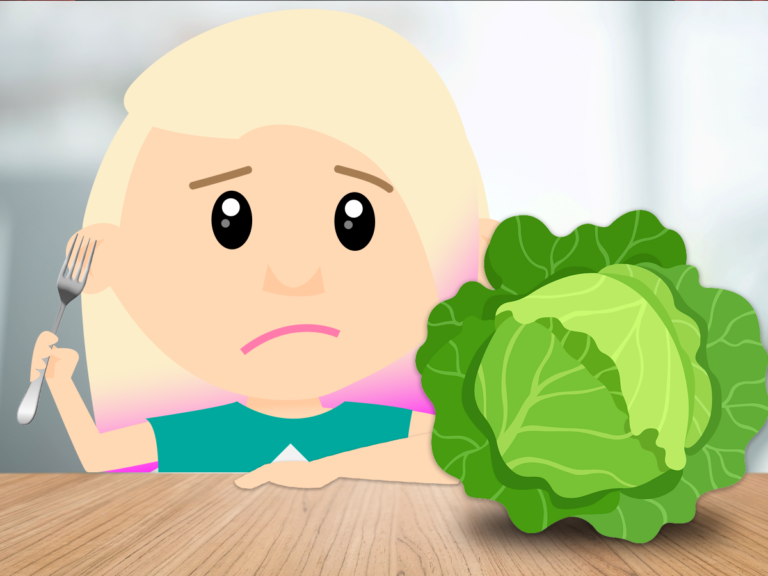
If you feel ravenous, of course you’re more likely to overeat – full stop! Let alone when you’re stressed or tired!
So you and your coach decide there’s little value in digging into how your thoughts, feelings or beliefs are impacting your food choices at this point- instead you work together to create a dietary approach which helps you to feel more full.
This new approach not only keeps hunger at bay, it also fits flexibly into the landscape of your life, goals and preferences.
And now that your approach is realistic, flexible and enjoyable, you don’t struggle to stick to it – and no longer find yourself needing to start over (and over…and over) again.
Of course, the above is only one example. Your personal situation may look nothing like this.
All I’m trying to say is: If you fall into write-off territory because you struggle to stick to your plans, or you find yourself saying, “I know what to do, but I can’t seem to do it,” it could be that it’s actually the “what to do” part that’s the problem.
By which I mean your approach, or plan for reaching your health goals isn’t right for you right now – Even if that approach has worked for you before.
Principles Vs Methods: There’s more than one way to skin a banana
Let me elaborate on why a previously successful approach might not be working for you anymore, by sharing the words of a very clever chap who works with our Head Coach, Alex, in his role as an industry educator.
Those words were something along the lines of:
"Methods: there are many. Principles: there are few."
If you don’t speak Yoda, here’s my translation:
“Sure, there are loads of different methods you could try…
For example, if you want to lose weight you have loads of options: Weight Watchers, Slimming World, calorie counting, portion guides ——-.
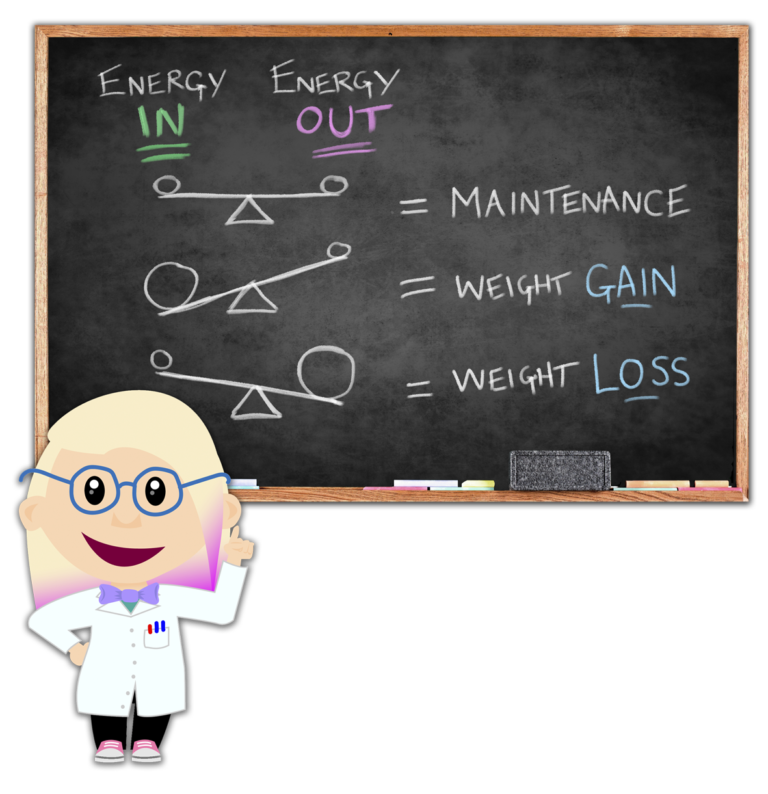
…All of those options- those methods – ultimately aim to help you meet the same underlying principle: Negative energy balance (aka a calorie deficit).”
Let’s excuse the beleaguered feline from this proverb and say that, in other words, there’s more than one way to skin a banana...
But a banana is still a banana (and by the way, if some diet or other told you not to eat them, you can safely ignore that advice – they’re packed full of fibre and vitamins).
During our time as coaches, we’ve helped a lot of people who have struggled – sometimes for years – to transform their eating habits and build a healthy and sustainable lifestyle for themselves…and there’s something we’ve heard time and time again.
Something like: “Ages ago, when I had an entirely different life, I did X plan and it worked, but now I can’t stick to it.”
Often, the “plan” (aka method) they’re referring to sounds absolutely soul crushing to me (present day me that is… full disclosure: past Charlie probably tried it).
For Example...

The Cabbage Soup Diet
3 guesses what you got to eat on this diet.
The grapefruit and egg diet
Also creatively named and needs no explanation.

A diet “affectionately” renamed “shite-er life” by one of our clients
I’ll give a more nuanced take on this hybrid meal replacement diet, because for some people this type of approach has merits…
…BUT only when used alongside other vital components of a lifestyle change intervention. (if you want to know what they are, check out the section of this blog, titled “Weight Management Approach One: Lifestyle Change”)
And last but not least, this classic…
The Green foods diet
Described by this absolute legend of a former client, like so: “I could only eat green foods. So I lived on green skittles”

Now, THAT’S creative. (Unlike the naming of diets in the 90’s, apparently.)
Whenever someone tells me they are coming back to an approach like the examples above, I'm amazed that they stuck to them for any length of time in the first place.
And the worst thing is, they don’t see things that way. Instead, they blame themselves for the program not working this time around.
They think the problem lies with them, rather than with the approach they’re trying to take. Which is straight up codswallop!
So if this is resonating with you, please read on…
Trying To Follow An Unsuitable Approach: Round Pegs, Square Holes, Confusion and Contradiction
As we said earlier, there’s more than one way to skin a banana.
And, persistently attempting to follow a diet or healthy living plan that no longer aligns with your current lifestyle can be like trying to force a round peg into a square hole; it’s a frustrating experience that can lead to feelings of failure and demotivation because you’re not progressing towards your health goals.
The trouble is, when something has worked for you in the past —like following a certain kind of diet or meal plan—you tend to form a belief that this way of doing things is the ONLY way, or the “right” way to accomplish your goal.
The same can be said for other people who’ve been successful with a certain approach – they LOVE to tell you what worked for them.
And they’ll often tell you that the reason you’re not seeing results is because you aren’t following whatever plan it is they swear by.
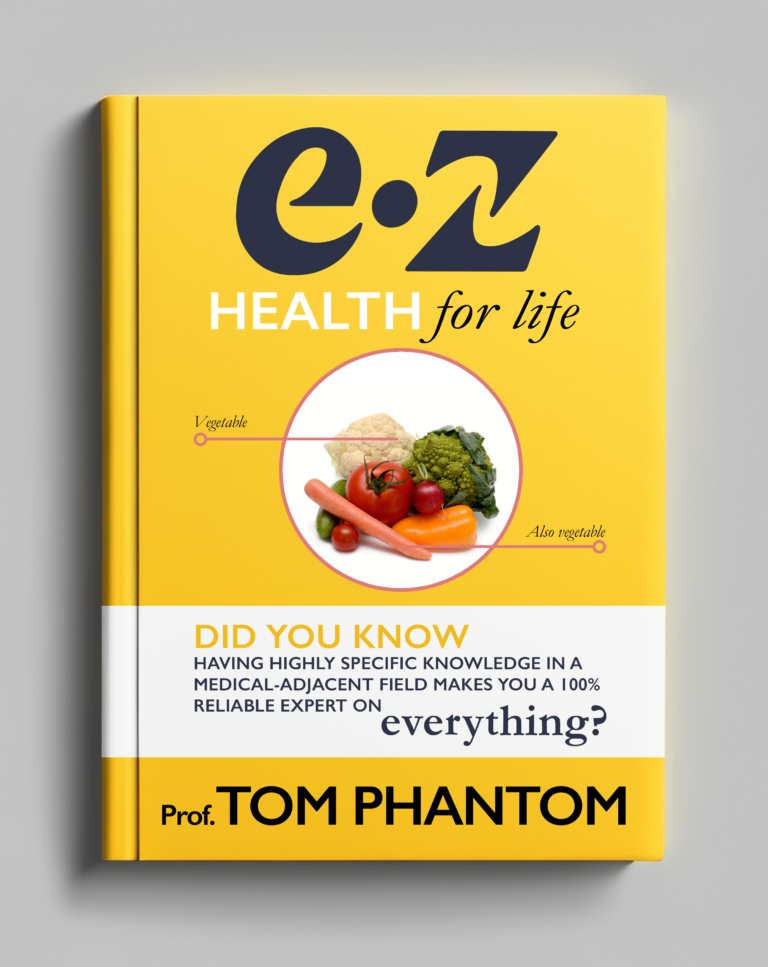
So now you’re not only trying to follow the plan that worked for you before, you’re also trying to follow one (or more) that worked for someone else… even if each of these approaches have totally conflicting guidelines.
In theory, this contradictory advice is confusing as sin.
In application, it's mission impossible.
One person says bananas are the bee’s knees and you should eat them every day.
The next person says bananas are the devil because of sugar, so you should stay far away from them.
Then, someone else says the sugar in bananas is “good sugar” so it’s fine.
After that, you read an article that explains there is no such thing as good sugar and bananas will ruin your life.
Now replace “banana” with literally anything else and that sums up the current state of health and fitness advice…
“The Carnivore Diet” is GOOD (ah good, keeping the 90’s diet naming convention alive)
Red meat is BAD. (Wait… hang on. Carnivore. But no red meat. Got it…)
“Plant based” is the ONLY WAY. (Erm… okay so… plant based carnivore? How much plant meat you reckon I can get off a Triffid?)
Non-organic foods are EVIL. (Right, so NO Triffids? WHAT CAN I EAT DAMMIT?!!!)
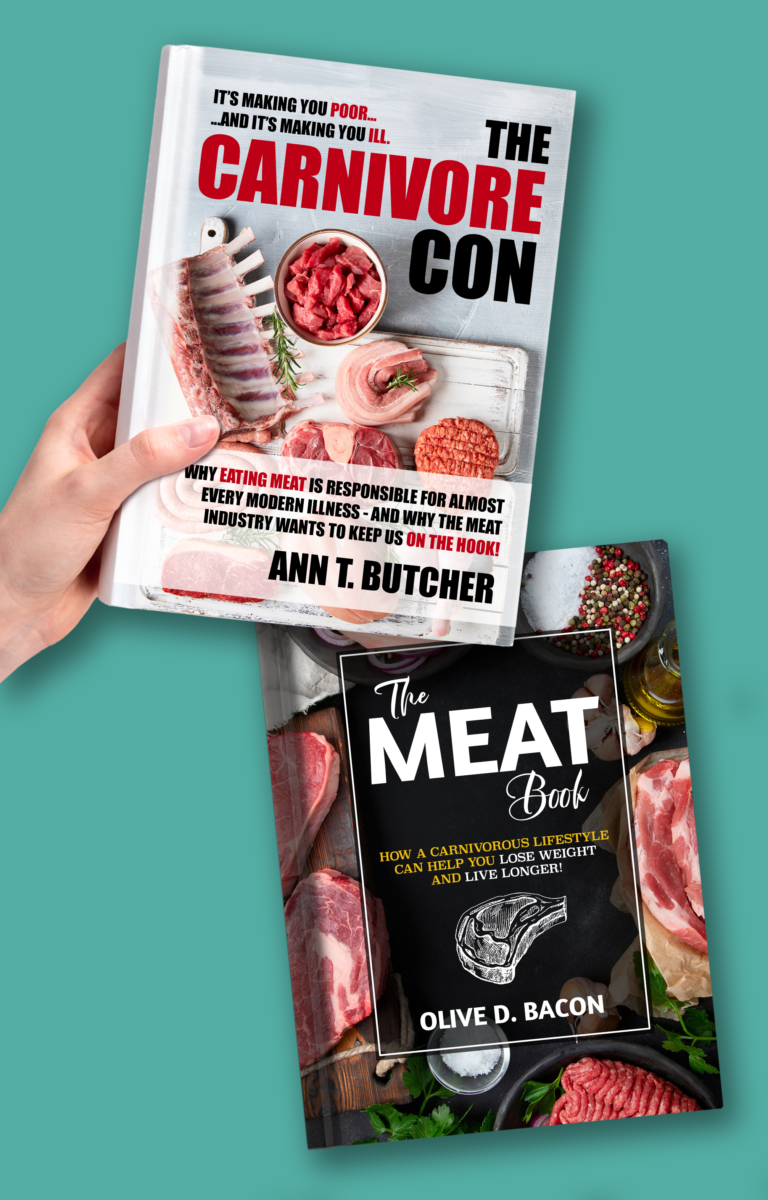
It’s enough to drive anyone mad!
So what can you do about this confusing and impossible mess?
Try this…
3 steps to creating an approach you CAN stick to
Set Aside Any Methods
Take any of the “rules” of previous diets, and set them aside.
The rules or guidelines you follow on a particular diet are methods, based on an underlying principle (recap: for weight loss – which is the intended outcome of most diets- this is always negative energy balance).
Remember, there are loads of methods, you don’t have to (and realistically can’t/shouldn’t) use them all. It’s the underlying principle that matters.
…And if the rules look like the ones in the list above, they have veered so far from those principles, they’ve fallen off a cliff, like a little clan of lemmings. Wheeeeee! Don’t let them drag you with them.
Rules like that belong in the bin, preferably with the bin subsequently set on fire if safe to do so.
Prioritise Principles
SO – Strip right back to the basics and ask yourself:
“What is the underlying principle I’d need to follow in order to reach my goal?”
For example:
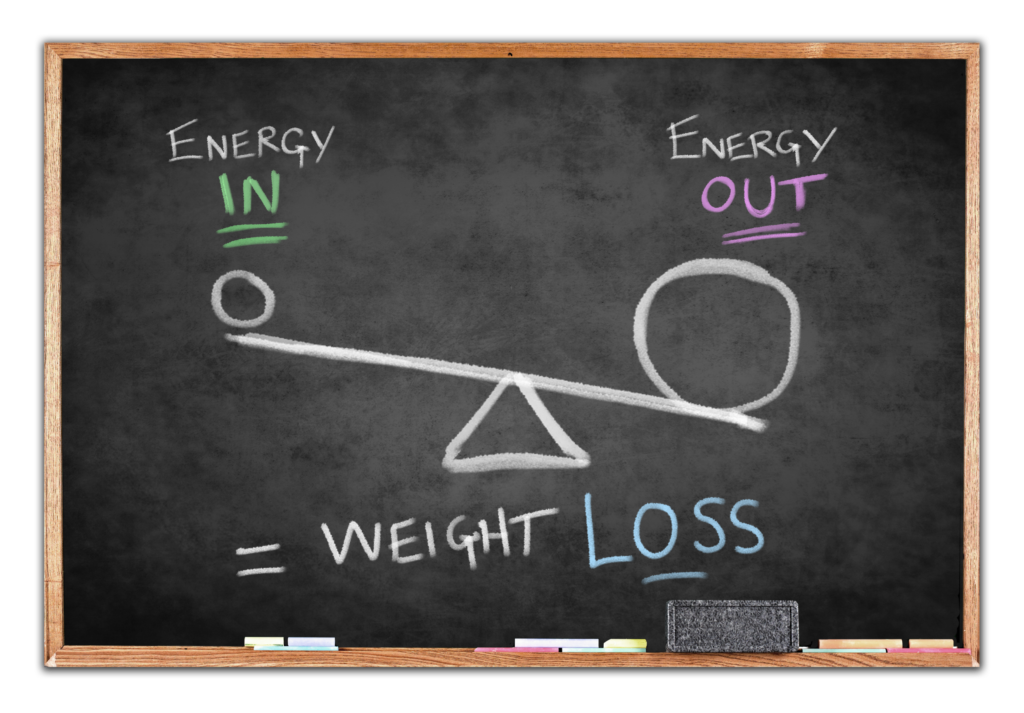
If your goal is fat loss, the underlying principle behind any method is negative energy balance (aka a calorie deficit, or eating less calories than your body uses)
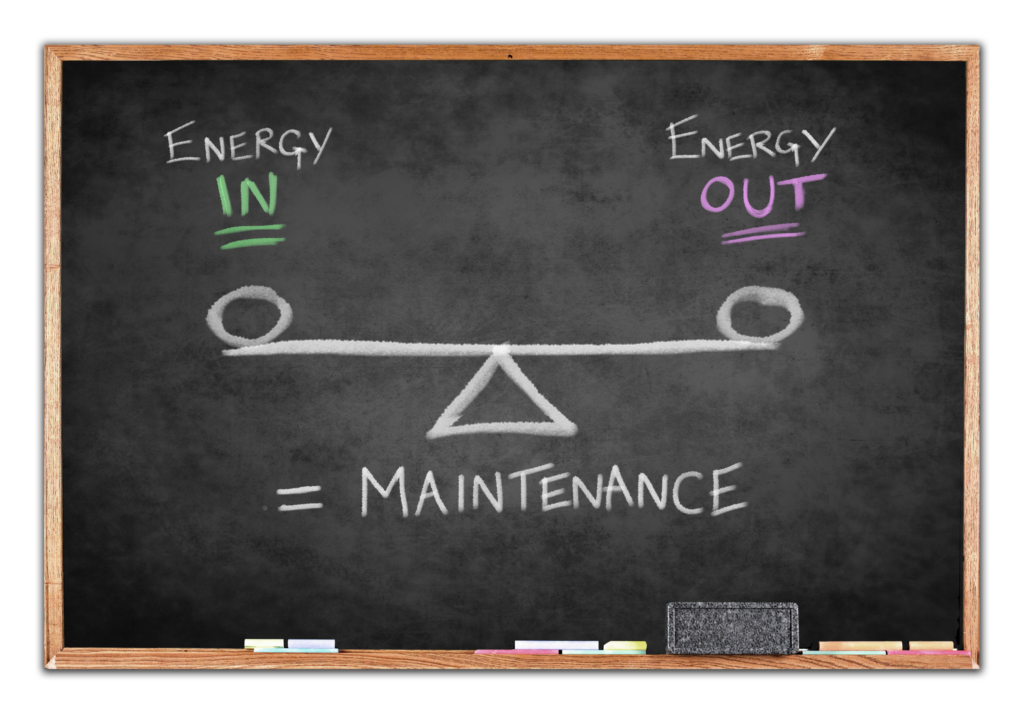
If your goal is weight maintenance then the underlying principle is energy balance (eating the same amount of calories as your body uses)
If your goal is to get stronger, then the underlying principle is progressive overload (gradually lifting more total weight over time).

(Note: If you need help with this step, drop us an email and tell us your goal, we’ll be more than happy to help 🙂

Finding the Right Approach for Who You Are Today
Once you have your answer from step 2, then it’s time to explore the right approach (methods) for who you are TODAY.
This is where you may choose to either adopt or cast aside any plans, or parts of plans, that you have followed in the past.
For example…
Let’s say you got on well with a weight management approach which allowed you to still eat the meals you love, but encouraged you to make adjustments like eating as many vegetables as you could, in order to make your diet more filling.
We’ll use the snappy 90’s diet naming convention and call it “The Example Diet”…
You loved that on The Example Diet you could eat veggie-packed versions of your favourite meals, whilst still reducing your calorie intake (the principle behind the methods used in The Example Diet).
However, The Example Diet also encouraged you to always cook from scratch…
Trouble is, these days you’re always on the go, and may have priorities and responsibilities you didn’t have back then – like after school clubs, shift work, or caring for a family member.
So cooking from scratch may no longer be realistic for you most days.
The same applies if you’d like to spend more of your precious free time on things which benefit your health in other ways, such as:
- Going to see a friend (great for your social health)
- Being more active (great for your physical health)
- Pursuing a hobby (great for your mental health)
- …Or even relaxing and taking some quality down time (both great for your psychological health).
Bearing this in mind, you can modify the methods of The Example Diet, to suit who you are today…
This may include options for convenience such as buying pre-made meals, or making one-pan meals with quick cook ingredients such as tinned and cook-from-frozen products.
This ensures you can still make filling meals packed with veggies, without the prep time.
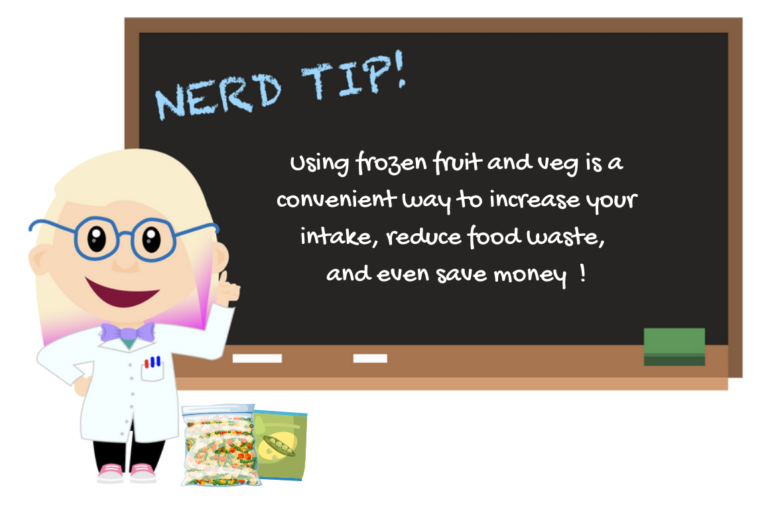
… Plus, evidence suggests there is no difference in nutrient content of frozen fruit and veg when compared to it’s fresh counterparts- in fact, some frozen produce may even have higher nutritional value! (Li et al 2017)
When your approach is getting in your way: Wrapping up
If you’re struggling to stick to your healthy lifestyle plans, that could be because the approach you’re trying to follow isn’t right for you and your present day world.
That’s not a failing on your part- wading through the chaotic realm of health and fitness advice to find the right approach can be downright overwhelming.
But here’s the key: don’t let yourself get bogged down by the seemingly endless variety of available methods to reach your goals.
Instead, focus on the core principles that underpin everything and customise methods to suit your current lifestyle.
Whether you’re tweaking tried-and-true approaches or embracing new ones, the ultimate goal is to create a sustainable and enjoyable strategy that aligns perfectly with your goals and everyday realities.
Just remember, the most effective diet or plan is the one you can stick to for the long haul without it taking over your entire existence.
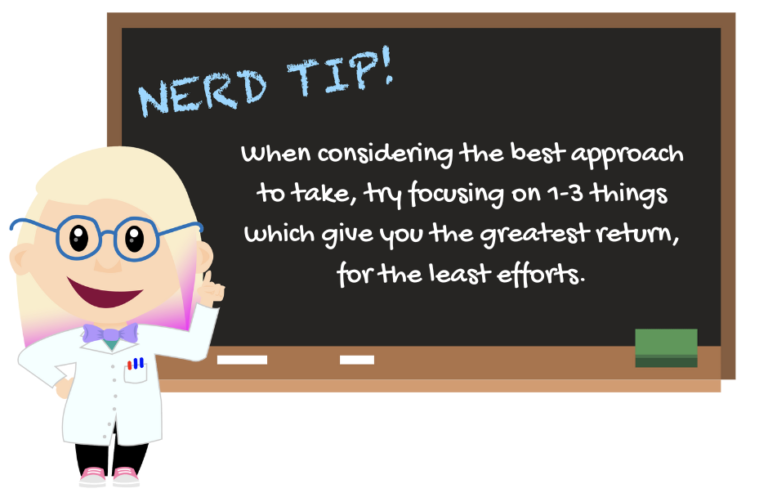
…You can read more about that here.
Oh and here’s something else you should NEVER forget…
If you’ve repeatedly tried to follow advice that worked for you once —whether it was avoiding certain foods or staying below a certain calorie limit—EVEN THOUGH this advice wasn’t the best for you, this is testament to how persistent, dedicated, and committed you are!
That right there is something to celebrate, so go ahead and give yourself a firm pat on the back.
Because with that attitude and the right approach, you CAN achieve your lifestyle change goals and live your healthiest, happiest and longest life…
And if you need any help with anything covered in this article, or you have questions, please reach out.
We’re only ever an email away and we’d love to be a part of your journey, even if that just means answering a few questions, so don’t be shy!
But wait! There’s more to come!
Keep your eyes peeled for Breaking the ‘I’ll Start Again On Monday’ Cycle: PART 2.
We’ll dig into how the way you THINK about your approach could be causing you to “fall off the wagon”- and how to change that…
So you can break free from the frustration of starting over, and make continual progress towards your health and lifestyle change goals.
We’ll see you there!
Until then, wishing you all the best on your journey to a healthier and happier you!
Don't want to miss out?
Enter your details below to receive an alert as soon as Part 2 is published.
And that’s not all—you’ll also get our weekly email newsletter packed with insights, tips, and reliable, scientifically accurate information on all things health , nutrition and behaviour change – delivered straight to your inbox.
We have an “all substance, no spam” policy, so we only send emails which we think will genuinely help you, but if you don’t want to hear from us anymore – that’s cool. In fact, we value and encourage choice, so you can unsubscribe any time