
Welcome to the first of our HEALTH HORRORS blogs!
In this blog series, we tackle some of the scariest misunderstandings still prevalent in today’s health and fitness world. You may well have come across some - or all - of the topics we’ll be covering.
This week’s scary story…
WEIGHTLIFTING….for WOMEN?!?!
*collective screaming*
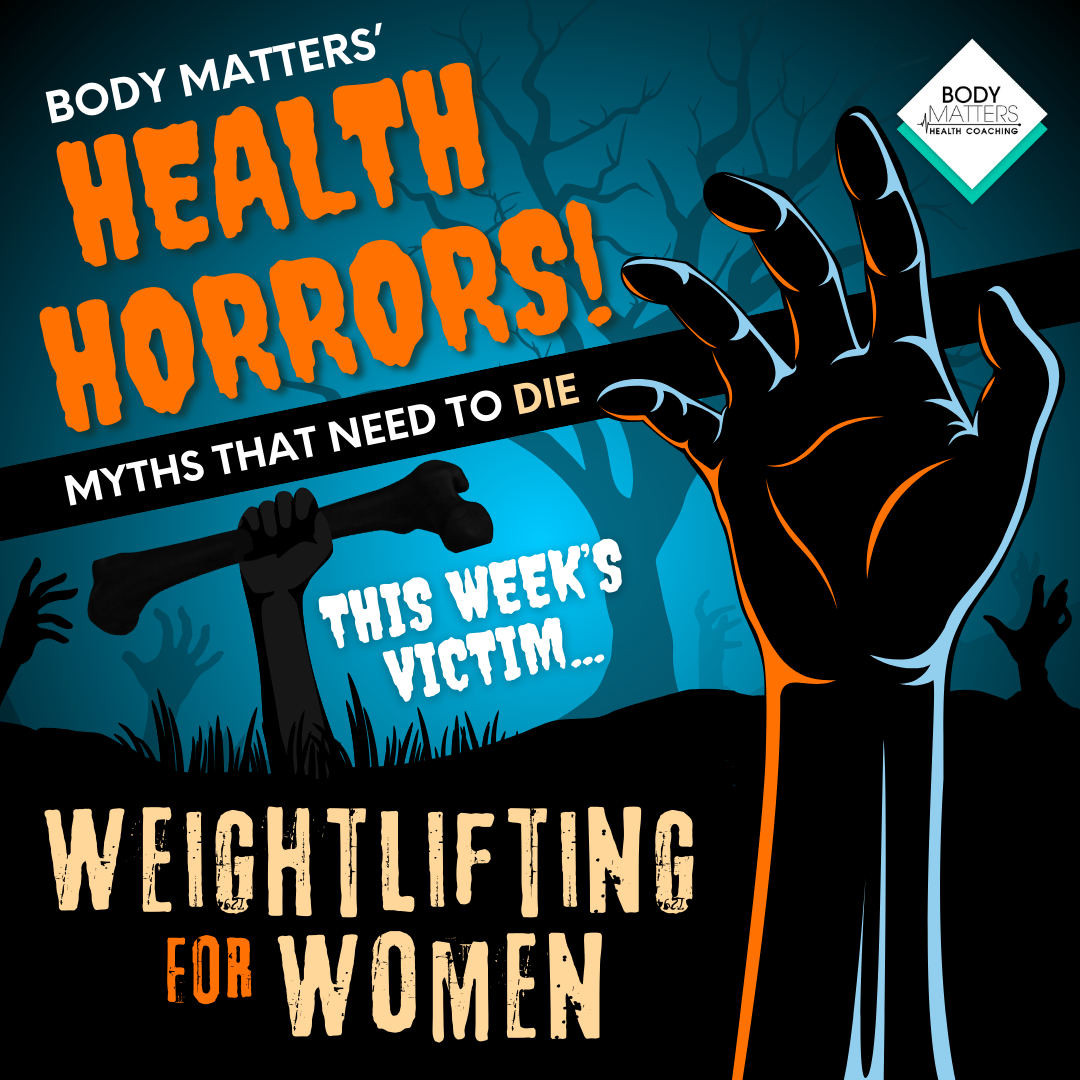
...It’s NOT FOR YOU. You’ll get BULKY!
...If you absolutely have to lift, make sure it’s NO MORE THAN two kilos. Light weights and lots of reps is how you do it! That way, you won't hurt yourself!
...But be careful if you stop; your MUSCLES will turn into FAT!
...And anyway, what is the point? You don’t need to pick up big, heavy things in your daily life, so why do it in a gym?
Alright, alright. It's time to turn the lights back on and use scientific evidence to unmask these particular ghouls...
Throughout our work with clients, we've had numerous conversations with women about these concerns. And to be candid, we understand why they have them. You want to make the best choices for your body, after all.
The trouble is, these Health Horror stories aren't helping you do that, because they are as fictitious as Dracula... and they might just be sucking the life out of your attempts to create a healthier lifestyle.
So, let's stop with the puns and banish these baddies one by one...

Does lifting weights make women bulky?
People have a variety of preferences for how they do or don’t want their bodies to look. And some women don’t want to end up “looking like Arnold Schwarzenegger!”
Thankfully, we can definitively say that most women are not going to gain that quantity of muscle - or even a quarter of it.
Firstly, on average, women do not gain muscle mass as easily as men. This is because men have the physiological advantage of higher testosterone levels.

Secondly, speaking of testosterone: women definitely do not gain as much muscle mass as men who are using additional testosterone and a variety of other steroids (which Arnie admitted to using).
Next, even if this wasn’t the case, the quantity and intensity of training required to build huge amounts of muscle is very different from popping to the gym a couple of days a week.
So, rest assured, nobody is out there chugging a couple of protein shakes, pumping out a few bicep curls, and suddenly bursting out of their gym clothes like the Incredible Hulk in Lululemons.
Can Weight Lifting Cause Injury?
Now then, what if you hurt yourself by lifting weights? That won't be good!
We completely agree!
Nobody wants to get hurt, and of course, the reality is that people can injure themselves when lifting weights. But you're not inherently more likely to get injured just because you're a woman.
Thankfully, following two simple rules is enough to drastically reduce anyone's risk of injury:
1: Warm up before each lifting session.
2: Don't do too much, too soon.
I know they sound boring, but they are probably the strategies with the most scientific support.
Now, of course, the devil is in the details...
How do you “warm up” ?
Or what is “too much”? or “too soon”?
They are topics for another day, so be sure to drop us an email and let us know if that's something you'd like us to cover.
If you want a shortcut, a good coach should be able to show you exactly how to do both.
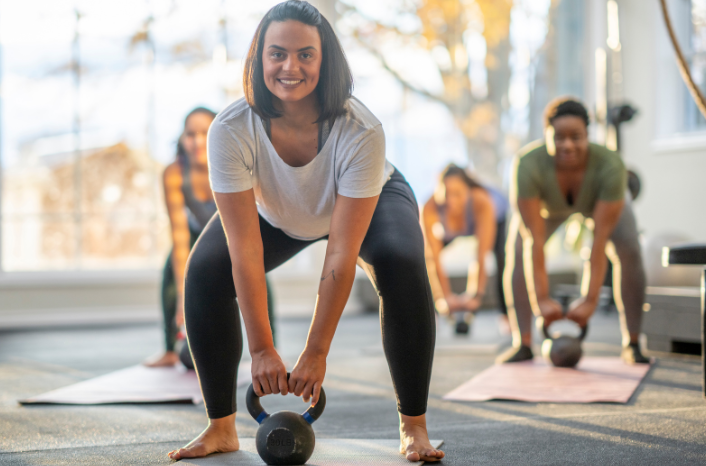
However, one thing we will clear up today is that “NOT too much, too soon” doesn't mean using light weights for lots of repetitions.
In fact, using only very light weights is likely significantly less effective than using a weight that is *appropriately* challenging.
Unfortunately, many “celebrity” trainers endorse this kind of workout, promoting the idea that it helps people avoid getting bulky.
The irony is they are technically correct... But this isn’t because light weights are good for “toning”, as they suggest...
(NB: Untrained muscle tissue is not like a slack elastic band that’s loose and wobbly until you “tone” it.)
...It’s because these workouts are unlikely to be doing anything at all!
Oh dear.
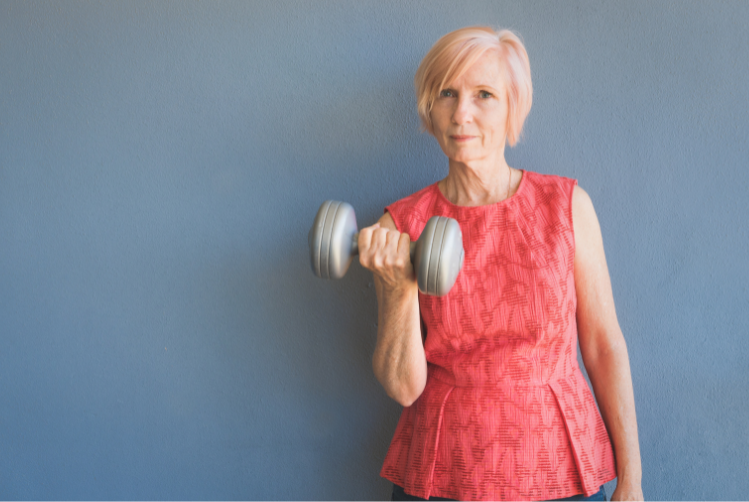
See, lifting light weights is unlikely to make you stronger or fitter beyond the first few weeks or months.
We want to be very clear: Consistently doing any form of exercise is better than nothing. Light weights win every time if it’s a choice between them or the sofa!
However, most people who exercise want to see (or feel) a distinct return for all the effort they have been putting in. That’s where not using much weight might leave you disappointed.
To be clear, we’re NOT saying that low weight and high reps don’t build muscle, because it has been shown that they do...
However, there is a catch!
To do so, you must cause the same amount of fatigue as using a heavier weight for fewer reps.
The problem with this approach is that it's really inefficient. In other words, it takes bloody ages!
Most people don’t have the time to reach the fatigue required using light weights.
So, appropriately heavy weight is the key to both effective and efficient exercise routines!
Can muscle turn to fat if you stop exercising?
Once you’ve gained some muscle, don’t worry - just as you cannot turn lead into gold or a stick of celery into a chocolate ice cream sundae, you cannot turn muscle into fat.
You can LOSE that muscle from lack of use, and GAIN fat from consuming more calories than you use, but your muscle mass isn’t going to transmute into body fat.
So, if you’re interested in lifting, don’t let this fear stop you. It won’t somehow make you likely to gain more body fat if you stop training for a bit.
Why should women lift weights anyway?
The final nail in this scary story's coffin is for us to address the question of why.
Even if you accept everything we have said so far, why should women bother lifting weights?
Well, we think there are many reasons, but let’s focus on some of the big ones.
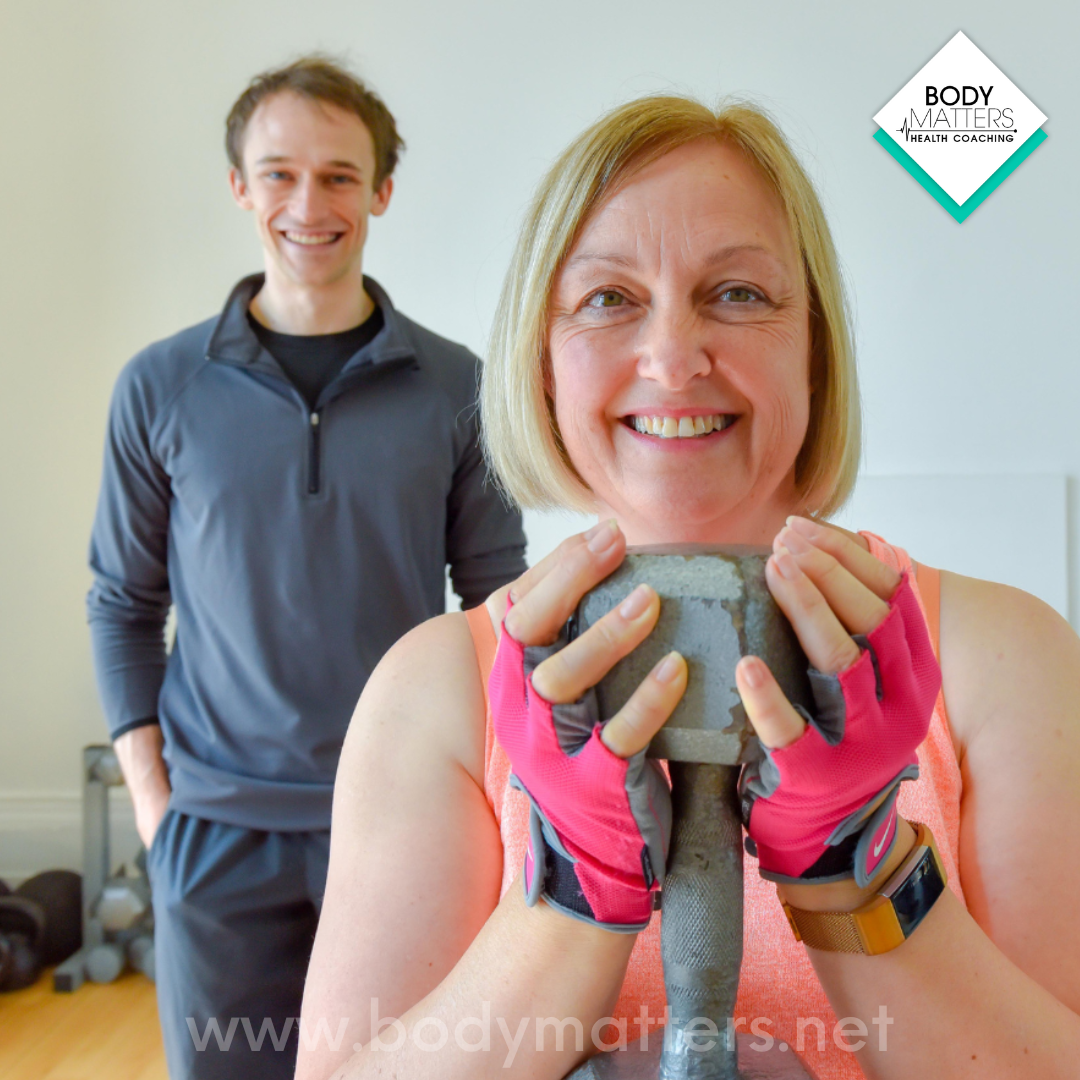
Alex behind one of our fabulous clients!

DID YOU KNOW...
...Women are far more likely to develop osteoporosis than men as they age?
Osteoporosis is the degeneration of bone tissue. Unfortunately, it causes many problems; some people’s bones can become so fragile that something as simple as coughing or bending to pick something up can cause a broken bone.
...Menopause is the main culprit for bone loss in women?
In particular, the most pronounced bone loss occurs in early menopause because oestrogen levels drop.
Oestrogen slows the natural breakdown of older bone tissue, so lower levels mean that bones start to break down faster than they can be regenerated. In the first five years post-menopause, some women lose 2.4% of their bone mineral density per year. This often slows to 0.4% per year in the following years. These numbers might sound small, but within 5-10 years it can accumulate to something a lot more significant.
The result? A fragile skeleton which increases the risk of fractures and falls, and can significantly impact mobility and quality of life.
...Regular load-bearing exercise—e.g., lifting weights—actively increases bone density and is one of the most powerful weapons against bone loss?
This is why weightlifting is one of the best things women can do for their long-term bone density, mobility, and ultimately health and well-being.
Putting all discussions of aesthetics aside, we believe everyone would benefit from feeling strong, capable, and independent and having more years of health and functionality added to their lives. After all, we want everyone to live their happiest, healthiest life for as long as possible!
So have no fear. The dumbbells are your friends.


That's a (spooky salad) wrap!
Got questions? Need some guidance?
Feel free to contact us here.
And if we don't speak before then, we hope to see you next week for another Health Horror!